· HytchUp Team · Be a Pro (Operations) · 5 min read
Best CRM habits for independent drivers
Better client notes, follow-ups, and booking organization help independent drivers build stronger repeat customer relationships.
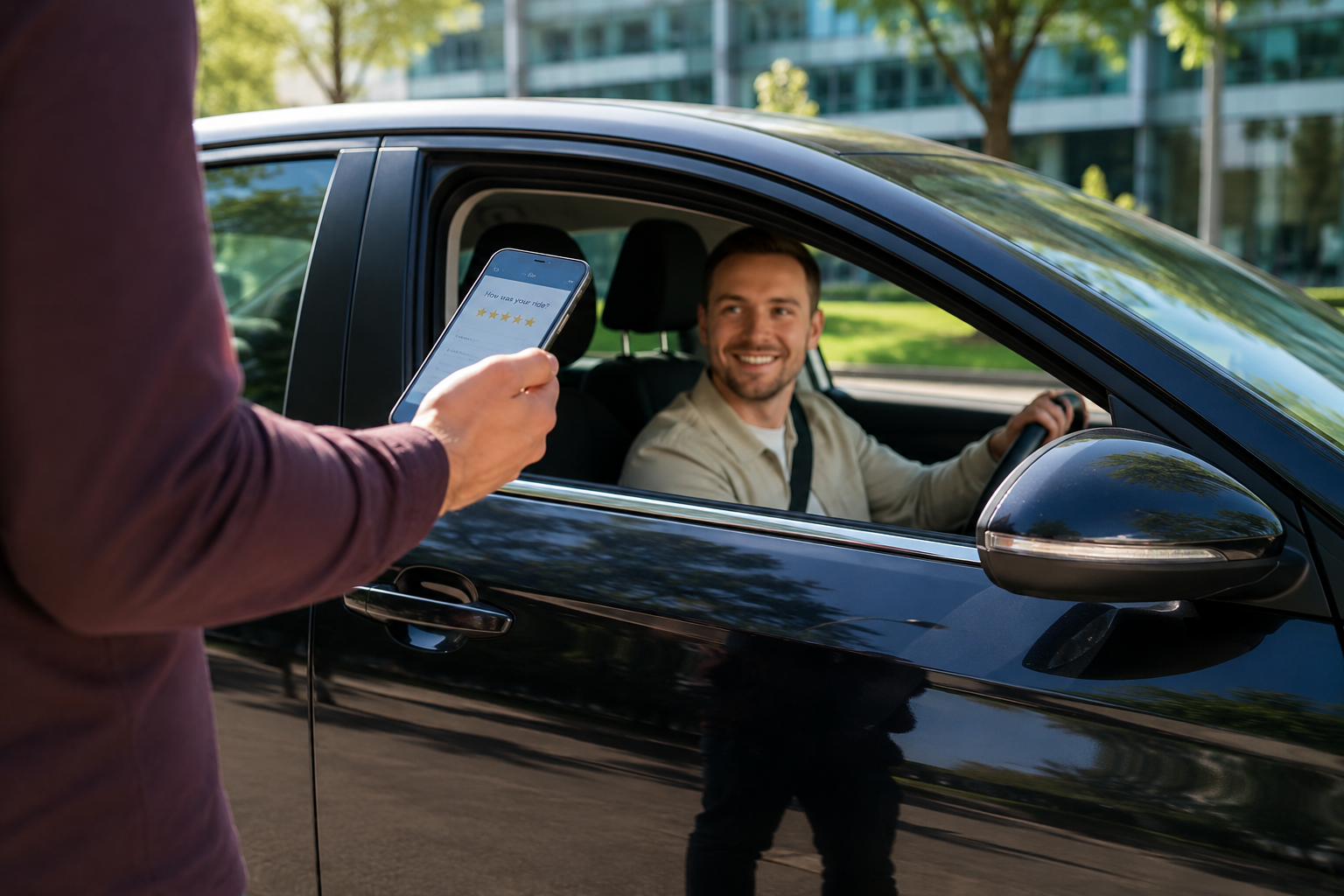
Many independent drivers think CRM systems are only for large companies or sales teams. In reality, every successful private driver already uses some form of customer relationship management, even if they do not call it that.
Remembering client preferences, tracking repeat riders, following up after trips, and keeping contact information organized are all part of managing customer relationships.
The difference is that professional drivers build systems around those habits instead of relying on memory alone.
As your client list grows, things become harder to manage manually. Riders book multiple airport trips, business travelers have recurring schedules, and long-term clients expect smoother communication over time. Without organization, small details start slipping through the cracks.
That is why strong CRM habits become extremely valuable for independent drivers.
Why independent drivers need a CRM mindset
Good service gets stronger when relationship details are captured and reused consistently. A CRM mindset helps you treat every booking as part of a longer customer relationship, not just a one-time trip.
Repeat clients are the foundation of stable income
Most experienced drivers eventually realize that repeat customers are far more valuable than constantly chasing new rides.
A repeat client already trusts you. They know your communication style, your vehicle, and your reliability. That trust removes a huge amount of friction from future bookings.
Over time, repeat passengers often become the core of a stable transportation business.
That is why keeping customer information organized matters so much.
For example, if a business traveler regularly flies out of Newark Airport every Monday morning, remembering their preferred pickup time and terminal instantly creates a more personalized experience.
Passengers notice when drivers remember details.
And those details often become the reason riders continue booking directly instead of opening a ride-share app.
Keep passenger information organized
One of the most important CRM habits is centralizing information.
Many drivers scatter ride details across text messages, notes apps, screenshots, calendars, and paper notebooks. That usually works in the beginning, but it quickly becomes difficult to manage as bookings increase.
Using a structured system like HytchUp allows drivers to keep ride requests, customer details, schedules, and communication in one place.
That organization reduces mistakes and helps the business feel much more professional.
Important details worth tracking may include:
- preferred pickup locations
- airport terminals
- frequent destinations
- quiet ride preferences
- return trip schedules
- luggage requirements
- favorite vehicle type
The goal is not to collect unnecessary information. The goal is to create smoother future experiences for repeat clients.
Follow up after rides
One simple habit that many drivers overlook is following up after trips.
A short message after a successful ride helps keep the relationship active and professional.
For example, after an airport drop-off, you could send:
Thanks again for riding with me today. Safe travels, and feel free to reach out anytime you need another airport ride.
That message takes less than a minute to send, but it helps riders remember your service.
Follow-ups also create opportunities for:
- repeat bookings
- reviews
- referrals
- return airport rides
The key is keeping communication simple and natural instead of overly promotional.
Consistency builds trust
Many passengers are not looking for luxury. They are looking for reliability.
They want a driver who consistently communicates clearly, arrives on time, and makes transportation feel easy.
Good CRM habits support that consistency.
When your bookings, customer notes, schedules, and communication are organized properly, the entire experience feels smoother for both the driver and the passenger.
That consistency builds trust over time.
Once riders trust the experience, they stop shopping around for alternatives.
Use booking history to improve service
One major advantage of organized customer information is the ability to spot patterns.
For example, you may notice:
- certain riders travel monthly
- some clients always need return trips
- business travelers prefer morning pickups
- airport clients often rebook during holidays
Understanding those patterns helps drivers prepare more effectively and improve communication.
It can also help identify your most valuable clients.
Instead of treating every booking like a random ride request, you begin building long-term customer relationships.
Communication should feel professional, not automated
A common mistake businesses make is sounding robotic.
Passengers do not want constant promotional messages or spam.
Professional communication should feel helpful and personal.
For example, a reminder before pickup or a thank-you message after the ride usually feels appropriate. Sending aggressive marketing messages every week usually does the opposite.
The goal is to stay memorable without becoming annoying.
Keep notes about difficult situations too
CRM habits are not only useful for positive details.
Keeping notes about difficult pickups, recurring scheduling problems, or unreliable customers can also protect your business.
For example, if a rider repeatedly cancels late, provides confusing pickup information, or causes major delays, keeping a record helps you make better decisions in the future.
Professional drivers protect both their customer relationships and their time.
Build a business, not just a ride list
Many drivers unknowingly operate transaction by transaction.
Professional independent drivers think differently.
They focus on building a client base.
Every ride becomes an opportunity to strengthen a relationship, improve trust, and create future business.
That shift in mindset changes how you communicate, organize bookings, and approach customer service overall.
CRM habits support long-term growth because they help transform occasional riders into repeat clients.
Final thoughts
Good CRM habits are really about organization, consistency, and communication.
For independent drivers, these habits can dramatically improve the passenger experience while making the business easier to manage day to day.
HytchUp helps support that process by giving drivers a more organized way to manage bookings, communicate with passengers, and build direct customer relationships around their own service.
Over time, strong customer relationships often become one of the biggest advantages independent drivers have. Repeat riders, referrals, and trusted long-term clients create stability that random ride requests usually cannot match.
The more organized and professional your operation feels, the more likely passengers are to keep coming back.
Ready to grow direct bookings?
Start building your HytchUp booking flow for free.
Set up your booking page, keep rider details organized, and turn more repeat riders into direct clients.